
How AI Video Avatars Are Changing Content Creation
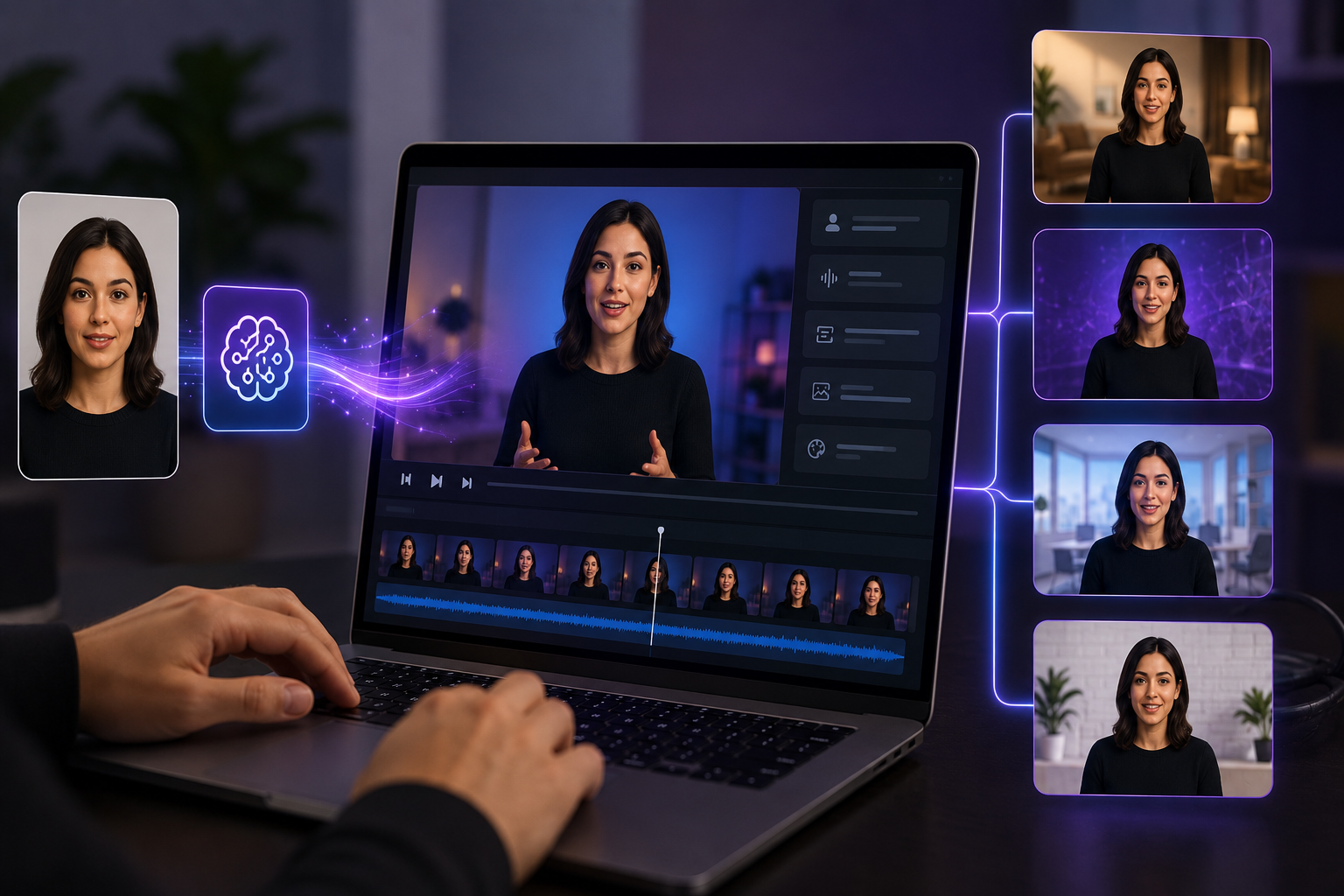
Video content has become one of the most important formats for brands, creators, educators, and businesses. It helps explain ideas faster, builds trust, and captures attention across websites, social media, online courses, ads, and product pages. However, creating video content regularly can still be challenging. It often requires cameras, lighting, actors, scripts, editing tools, and production time.
This is where the ai video avatar is changing the way content is created.
An AI video avatar allows users to generate digital presenters, characters, or virtual spokespeople that can appear in videos without traditional filming. Instead of recording every piece of content manually, users can create videos with realistic or stylized avatars that speak, present information, or guide the viewer through a message.
For businesses and creators, this opens a new way to produce scalable, personalized, and engaging video content faster than ever before.
What Is an AI Video Avatar?
An ai video avatar is a digital character generated or animated using artificial intelligence. It can be designed to look realistic, semi-realistic, animated, branded, or stylized, depending on the purpose of the video.
AI video avatars are often used as virtual presenters. They can introduce a product, explain a service, deliver training content, present educational material, or create social media videos without requiring a person to appear on camera.
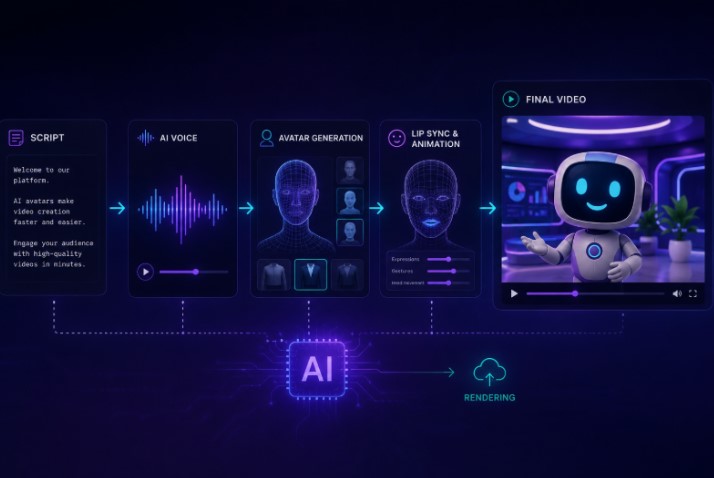
In many cases, the process is simple. The user writes a script, chooses or creates an avatar, selects a voice or speaking style, and the AI generates the final video. Some tools also allow users to customize facial expressions, backgrounds, gestures, languages, and visual styles.
This makes AI avatars a practical solution for anyone who wants to produce more video content while reducing production time and complexity.
Why AI Video Avatars Are Becoming Popular
The rise of AI video avatars is closely connected to the growing demand for video content. Brands need to publish more videos across more platforms, but traditional production is not always fast or affordable enough to keep up.
AI video avatars help solve this problem by making video creation more accessible. They reduce the need for cameras, studios, actors, and repeated recording sessions. A business can create a professional-looking presenter video from a script, while a creator can test different formats without being on camera.
Another reason for their popularity is flexibility. An avatar can be adapted to different languages, tones, industries, and audiences. This is especially useful for companies that need to communicate with customers in multiple markets or create large volumes of content.
As AI tools continue to improve, avatars are becoming more natural, expressive, and visually convincing, making them increasingly useful for marketing, education, communication, and entertainment.
How AI Video Avatars Work
AI video avatars combine several technologies to create a digital presenter or character. These can include text-to-speech, facial animation, motion generation, image generation, video synthesis, and natural language processing.
The process usually begins with a script. The user writes what the avatar should say. Then, the AI converts that text into speech using a selected voice or voice style.
Next, the avatar is animated to match the speech. The AI synchronizes mouth movement, facial expressions, and sometimes body language with the audio. Depending on the platform, users may also choose a background, camera framing, outfit, visual style, or video format.
Finally, the system renders the complete video. The result is a digital presenter that can deliver a message without the need for a traditional recording session.
This workflow allows content teams to move from script to video much faster than conventional production.
Benefits of Using AI Video Avatars
1. Faster Video Production
One of the biggest advantages of using an ai video avatar is speed. Instead of scheduling a shoot, preparing equipment, recording multiple takes, and editing footage, users can generate a presenter video directly from a script.
This is especially helpful for recurring content, such as tutorials, product updates, internal communications, training videos, onboarding material, and social media posts.
When content needs to be updated, teams can modify the script and regenerate the video without filming everything again.
2. Lower Content Creation Costs
Traditional video production can require presenters, actors, camera operators, editors, locations, lighting, and post-production resources. For small businesses or growing brands, this can make frequent video creation expensive.
AI video avatars reduce many of these costs. They allow companies to create professional video content without building a full production setup.
This does not mean that AI avatars replace all types of video production. Human-led content is still valuable, especially when emotion, authenticity, interviews, or complex storytelling are important. However, AI avatars are extremely useful for repeatable, informational, and scalable video formats.
3. Consistent Brand Communication
Brands often need to communicate consistently across different channels. An AI video avatar can help maintain a recognizable visual style, tone, and presentation format.
For example, a company may use a branded avatar to explain product features, guide users through tutorials, or introduce campaign updates. This creates a consistent experience across multiple videos.
Consistency is especially useful for educational platforms, SaaS companies, e-commerce brands, agencies, and businesses with large content libraries.
4. Easy Localization and Multilingual Content
Creating videos in multiple languages is often complex. It may require different presenters, translators, voice actors, subtitles, and additional editing.
AI video avatars make localization easier. The same avatar can present content in different languages, helping businesses reach international audiences faster.
This is valuable for global brands, online learning platforms, customer support teams, and companies that want to adapt their content for different markets.
5. More Scalable Content Strategies
AI video avatars allow teams to create more content without proportionally increasing production resources.
A company can create several versions of a video for different audiences, products, platforms, or stages of the customer journey. For example, one script can be adapted into a product explanation, a social media clip, a training module, and a customer onboarding video.
This makes AI avatars useful for brands that need to produce content continuously while keeping workflows efficient.
How AI Video Avatars Are Used in Content Creation
AI video avatars can be used in many different types of content. Their flexibility makes them useful across marketing, education, business communication, and social media.
Marketing Videos
Brands can use AI avatars to explain products, present services, introduce offers, or create short campaign videos. Instead of relying only on static images or written content, businesses can create a virtual spokesperson that communicates the message clearly.
This is useful for landing pages, social media ads, product pages, email campaigns, and promotional videos.
Product Tutorials
AI video avatars are also effective for tutorials. A digital presenter can guide users through product features, explain how something works, or help customers understand a process.
This is especially useful for software, apps, digital platforms, e-commerce products, and technical services.
Educational Content
Online courses and training platforms can use AI avatars to create lessons, explain concepts, or introduce modules. This helps make educational content more engaging without requiring instructors to record every video manually.
AI avatars can also help update course material faster when information changes.
Social Media Content
Creators and brands can use AI avatars for short videos, quick explanations, tips, announcements, or storytelling content. Since social platforms demand frequent posting, avatars make it easier to maintain a steady content rhythm.
They can also be used to test different hooks, formats, and tones before investing in larger productions.
Internal Communication
Businesses can use AI video avatars for onboarding, HR updates, compliance training, company announcements, and internal tutorials.
A clear avatar-led video can make internal information easier to understand and more engaging than long written documents.
Why AI Video Avatars Improve Content Accessibility
AI video avatars can also support accessibility and clarity. A visual presenter can make information easier to follow, especially when combined with captions, voiceover, and structured visuals.
For audiences who prefer watching instead of reading, avatar videos can make content more approachable. For educational or training contexts, a presenter-style format can help guide attention and improve comprehension.
When used well, AI avatars can make content feel more human and easier to consume, especially for complex topics.
AI Video Avatars and Personalization
Personalization is one of the most interesting possibilities of AI video avatars.
In the future, brands may be able to create avatar-led videos adapted to different customer segments, industries, languages, or user needs. Instead of producing one generic video, companies could create many variations with different scripts, tones, or visual styles.
For example, a SaaS company could create one onboarding video for beginners, another for advanced users, and another for a specific industry. An e-commerce brand could create different product explanations for different audiences.
This ability to personalize video content can make communication more relevant and effective.
Best Practices for Creating AI Video Avatar Content
To get the best results from an ai video avatar, it is important to approach the process strategically.
Write a Natural Script
The script should sound like spoken language, not a formal document. Short sentences, clear transitions, and simple explanations usually work best.
A good script helps the avatar sound more natural and keeps the viewer engaged.
Keep the Message Focused
Each video should have one clear goal. Trying to explain too many ideas in one video can make the content feel confusing.
Before creating the video, define the main message and the action you want the viewer to take.
Choose the Right Avatar Style
The avatar should match the brand and the purpose of the content. A professional presenter may work well for corporate training, while a more creative or stylized avatar may fit social media or entertainment content.
The style should feel intentional, not random.
Use Visual Support
AI avatar videos work better when they are supported by visuals such as product images, interface screenshots, animations, or background elements.
The avatar should guide the content, but the visual environment should also help explain the message.
Review Before Publishing
Even when AI speeds up production, quality control is still important. Before publishing, review the avatar’s appearance, voice, pronunciation, timing, gestures, and overall clarity.
Make sure the final video feels aligned with the brand and communicates the message effectively.
Common Mistakes to Avoid with AI Video Avatars
AI video avatars can be powerful, but they need to be used carefully. Here are some common mistakes to avoid.
Using a Script That Feels Too Robotic
If the script is too stiff, the avatar may feel unnatural. Write in a conversational tone and avoid overly complex sentences.
Choosing an Avatar That Does Not Match the Brand
The avatar should reflect the brand’s personality. A mismatch between avatar style and brand identity can make the video feel less credible.
Making Videos Too Long
Avatar videos are often most effective when they are clear and concise. Long videos can lose attention, especially on social media.
Ignoring the Human Element
Even though the avatar is AI-generated, the message should still feel human. Focus on clarity, empathy, usefulness, and relevance.
Publishing Without Checking Details
Always check pronunciation, pacing, visuals, and accuracy before sharing. Small errors can reduce trust and make the content feel less professional.
Are AI Video Avatars the Future of Content Creation?
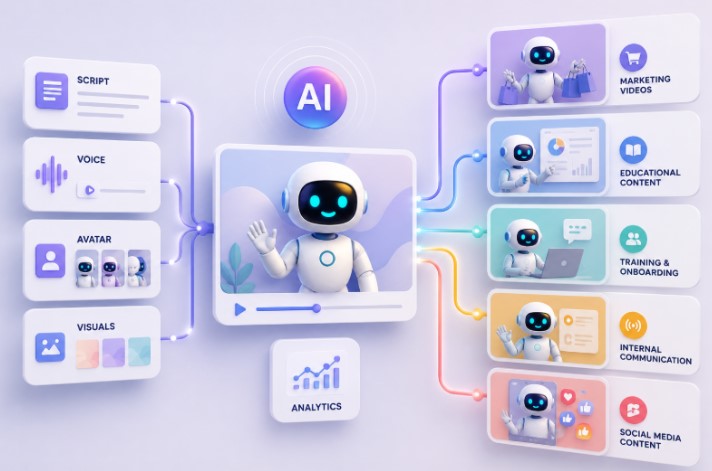
AI video avatars are not just a trend. They represent a major shift in how video content can be produced, adapted, and scaled.
They make it possible to create presenter-led videos faster, reduce production barriers, localize content more easily, and test different creative formats. For businesses, this means more opportunities to communicate with audiences through video without depending on complex production workflows.
However, the future of content creation will not be only about automation. The best results will come from combining AI efficiency with human creativity, strategy, and storytelling.
AI avatars can handle production speed and scalability, while creators and brands focus on the message, audience, and creative direction.
Start Creating Videos with AI Avatars
An ai video avatar can help transform the way brands and creators produce video content. Whether you need marketing videos, product tutorials, training content, social media clips, or personalized messages, AI avatars make the process faster and more flexible.
With AI-powered tools like Oopsify, users can explore new ways to create videos, develop visual concepts, and turn ideas into engaging content without the limitations of traditional production.
The future of content creation is faster, more scalable, and more creative. AI video avatars are helping make that future possible.
Frequently Asked Questions About AI Video Avatars
What is an AI video avatar?
An AI video avatar is a digital presenter or character created or animated with artificial intelligence. It can speak, present information, explain products, or guide viewers through a video without requiring traditional filming.
How does an AI video avatar work?
An AI video avatar usually works by combining a written script, synthetic voice, facial animation, and video generation. The AI synchronizes speech, mouth movements, facial expressions, and sometimes gestures to create a complete video.
Can businesses use AI video avatars for marketing?
Yes. Businesses can use AI video avatars for product videos, service explanations, social media content, landing pages, promotional campaigns, tutorials, and customer onboarding videos.
Do AI video avatars replace human presenters?
Not completely. AI video avatars are useful for scalable, repeatable, and informational content, but human presenters are still valuable for emotional storytelling, interviews, personal branding, and content that requires strong authenticity.
Are AI video avatars useful for social media?
Yes. AI video avatars can help creators and brands produce short, engaging social media videos quickly. They are useful for tips, announcements, explainers, product highlights, and educational content.
Can AI video avatars speak different languages?
Many AI avatar tools support multiple languages or voice options. This makes them useful for brands that want to localize video content and reach audiences in different markets.
What type of content works best with AI video avatars?
AI video avatars work especially well for tutorials, product explanations, training videos, educational content, internal communication, onboarding, social media clips, and marketing videos.
Why are AI video avatars changing content creation?
AI video avatars are changing content creation because they reduce production time, lower costs, support multilingual content, improve scalability, and make presenter-led videos easier to create for more people and businesses.
← All posts